In this Q&A, Vertage CEO Edzard Overbeek explains why leaders can no longer treat shrinking labor supply and the ungoverned use of AI agents as separate problems, and why the old workforce model built around the role no longer fits teams made up of employees, contingent workers, specialist partners, and AI agents.
5 minPublished: Jul 1, 2026
ArticleWorkforce Planning
Why Work Is Being Redesigned: AI Meets Labor Shortage
Vertage CEO Edzard Overbeek on why shrinking labor supply and fast-spreading AI agents are forcing leaders to rewire how work gets done, from headcount to outcomes.

Kirsty Tranter
Global Communications Leader at Vertage

Q&A: Edzard Overbeek on redesigning work around outcomes
We keep hearing that work is being transformed. Hasn't that always been true?
Edzard: Yes, and that is the point. Every generation or so, the way work gets done shifts far enough that the old frameworks stop being useful. The agricultural revolution changed who worked, and where. The industrial revolution changed which skills mattered. The technology era changed the speed of work. Each time, the organizations that pulled ahead spotted the shift early and adjusted before everyone else. That is where we are again. The difference now is that two shifts are landing at once, and most organizations are still treating them as separate problems.
What are those two shifts, and why do they matter together?
Edzard: The supply of human labor is structurally shrinking as birth rates fall across developed economies, while AI agents are spreading through organizations faster than governance models were built to handle. Each shift would be disruptive on its own. Together, they pull the ground out from under assumptions many organizations still rely on, and they create a hard leadership question: how fast can you redesign work, governance, and accountability for a workforce that is already becoming more mixed?
Where do the old workforce models start to break down?
Edzard: For decades, workforce planning, procurement, and HR have been organized around the role: job title, contract type, headcount. That worked when work was fixed and human-only. It fits far less well when employees, contingent workers, specialist partners, and AI agents all contribute to the same outcome.
You talk about moving from headcount to outcomes. What does that actually mean?
Edzard: It means starting with the work that needs doing, not the role that needs filling. Leaders begin with the outcome, then decide what capability it takes and what mix of people, partners, and technology can deliver it. That is the move from a headcount model to an outcomes-based one, and it is why skills-based hiring and total talent management are climbing the agenda.
Give us an example of what that looks like.
Edzard: An engineering client described how its biggest workforce challenge used to be access to experienced design and delivery talent. That has not gone away. But the company is now also investing in simulation, automation, and AI-enabled design. The constraint stayed. The work reshaped itself around it.
So is the real shift that work disappears, or that it gets reconfigured?
Edzard: It gets reconfigured. Some tasks disappear. Some get automated. Some become more specialized. And some become more valuable precisely because they need human judgment. That is why leaders have to look past headcount.
Where does the contingent workforce fit in that redesign?
Edzard: Inside the capability mix, not in a separate box beside it. Contingent workers already do so much critical work where speed, expertise, and flexibility matter. A modern contingent workforce strategy makes that contribution visible and governs it properly, rather than treating it as an exception.
Why is this an operating-model issue, not just a workforce issue?
Edzard: Because the organizations moving fastest are not treating AI as a side experiment, or workforce planning as a standalone HR task. They are aligning HR, procurement, and business leadership around how work actually gets done. Microsoft's 2025 Work Trend Index calls this the Frontier Firm: a company built for a different cost structure and speed of execution.
What does this mean for the role of people in the workforce?
Edzard: Algorithmic trading is a useful parallel. Traders did not simply vanish; the value of the human contribution changed. The people who thrived understood both the technology and the market well enough to oversee it, question it, and make the calls it could not. The same logic applies now. Judgment, relationships, ethics, and the ability to navigate the situations that do not fit the model all matter more as execution gets automated. Treat this only as cost reduction and you will quickly find out what you gave up.
What should a C-suite leader do with this?
Edzard: Treat it as an operating-model decision, not a future workforce trend to watch. Pressure-test whether HR, procurement, finance, and the business are genuinely aligned around how work gets done today. Then make sure work is sourced, governed, and measured around outcomes, rather than around old assumptions about roles and headcount.
The world of work has already changed. The old map no longer fits. The task now is to redraw it around outcomes.

Expert quote
Start with the outcome, then decide what mix of people, partners, and technology can deliver it.
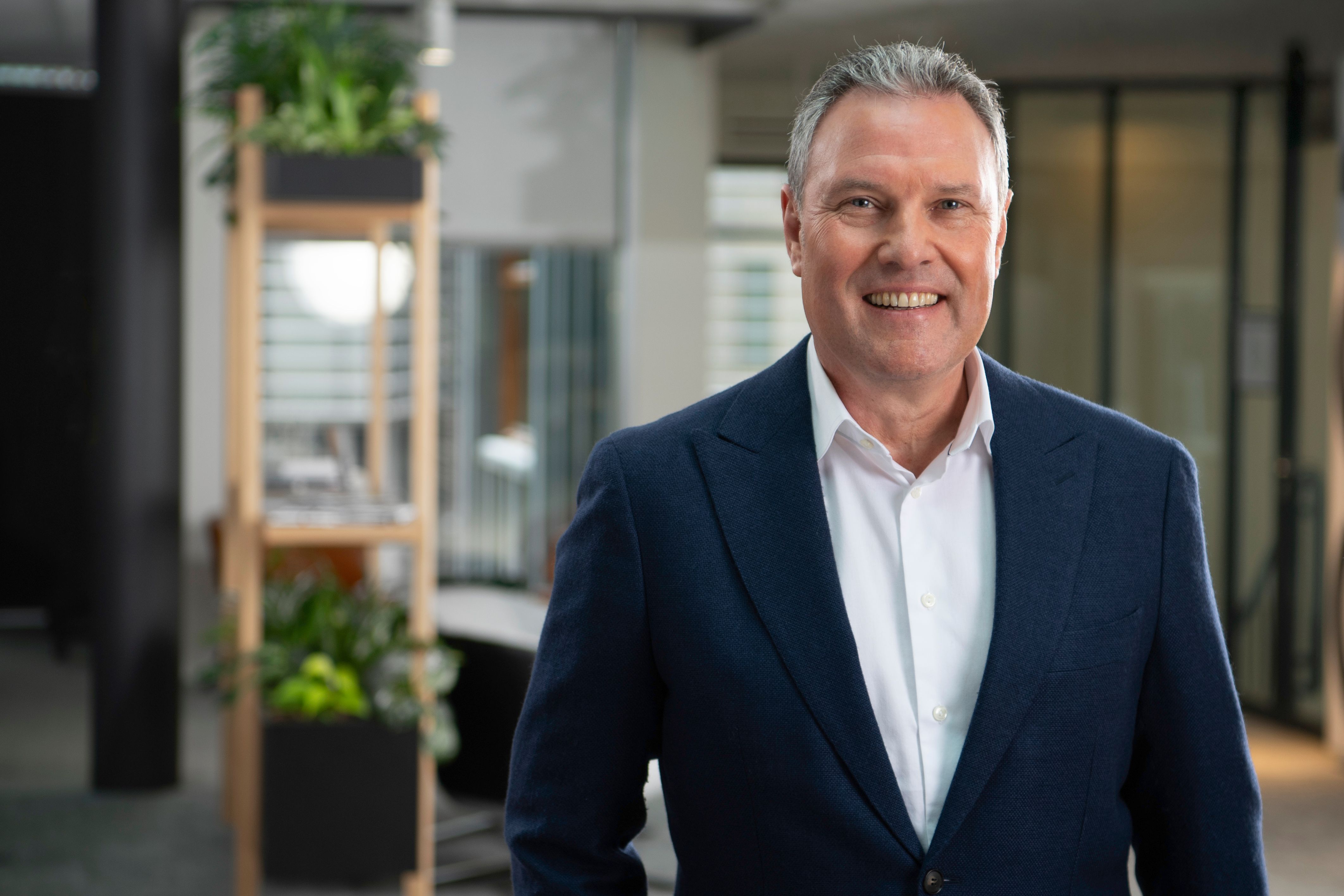
Edzard Overbeek
CEO at Vertage
Frequently asked questions
Two forces are hitting at once: the supply of human labor is shrinking as birth rates fall across developed economies, and AI agents are spreading through organizations faster than most governance models were built for. Each is disruptive alone; together they force leaders to redesign how work gets done.
About the author
Kirsty Tranter is a progressive communications leader with a strong track record built across a number of demanding global organizations. Her expertise spans a genuinely broad range of disciplines including internal communications, change and…