Every four years, the World Cup triggers an unplanned audit of flexible working policies. 2026 was no different. Matches were played during core hours, colleagues traded shifts to catch kickoff and managers wondered if workplace culture could survive the distraction. The real question was not whether people cared about football. It was whether business could continue to deliver, when calendars shifted.
4 minPublished: Sep 4, 2026
ArticleWorld Cup 2026
World Cup 2026: What the Tournament Revealed About Flexible Working and AI
The 2026 World Cup tested how businesses handle flexible working, employee engagement and workplace culture when routines break down. Before the tournament, UKG research projected it would cost $17 billion in lost productivity across eight countries, with more than a third of workers planning to adjust their working day. Some organizations clamped down with surveillance and warnings. Others built guardrails, agreed viewing slots and let AI carry the admin load. This article reveals what that balance looked like in practice, and why the lessons matter beyond one tournament.
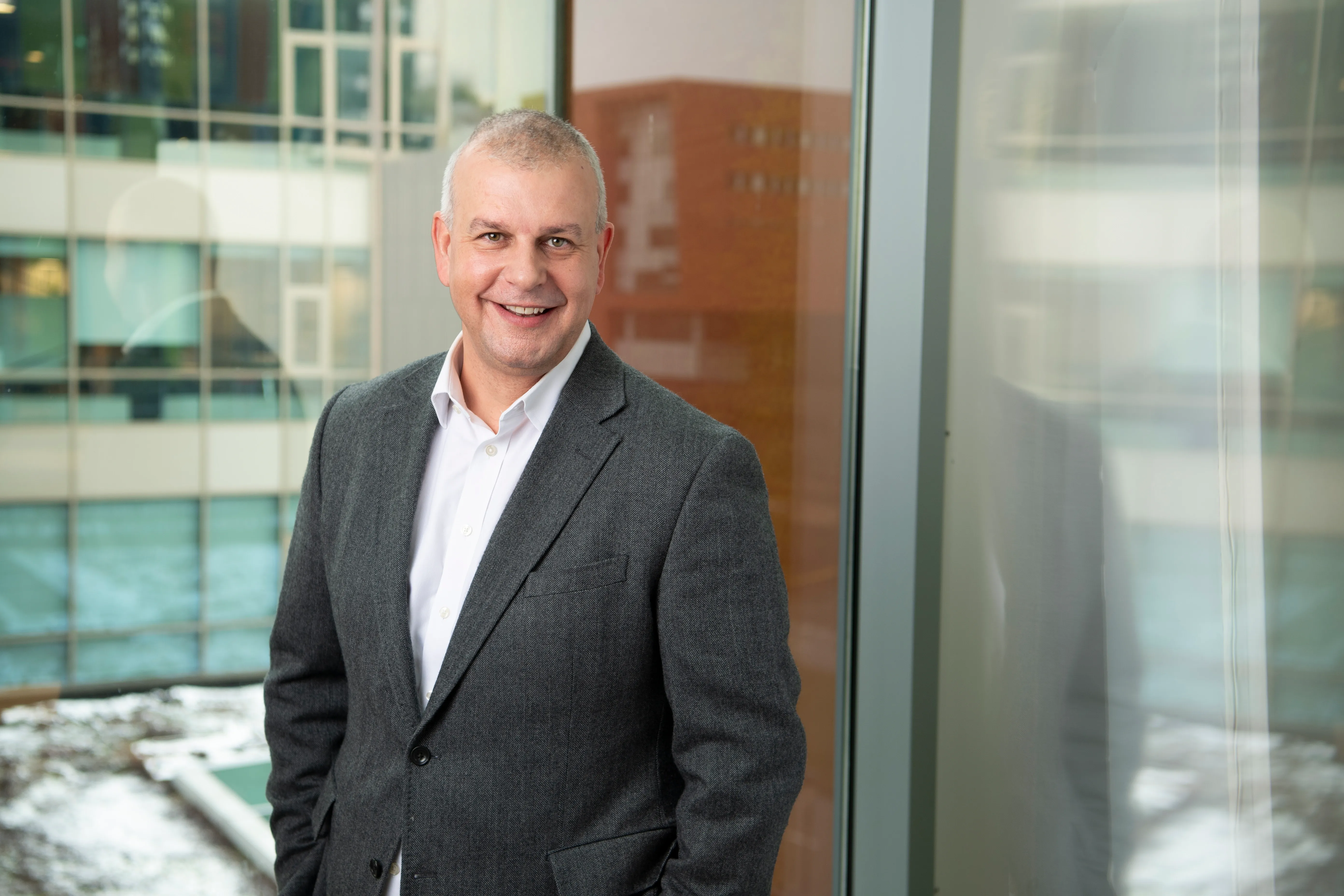
Simon Blockley
CEO, UK & Europe at Vertage
A predicted downturn in productivity
As the UK's Personnel Today magazine put it, the build-up to a major tournament always brings a wave of gloomy headlines about lost productivity. A UKG study behind those headlines predicted that the 2026 tournament would cost employers $17bn in lost productivity across eight countries. 37% of workers were said to be planning to adjust their working hours. And more than a quarter expected to arrive late, leave early, or skip work entirely. The same study found that one in five would even consider changing jobs if they weren't able to watch football.
How did employers adapt to the World Cup?
When the 2026 World Cup kicked off, organizations responded in two distinct ways.
While some chose to clamp down on viewing during the working day, others accepted that the tournament mattered and designed work around it.
By introducing temporary flexible working, with adjusted hours and agreed viewing times, these forward-thinking employers were able to plan for disruption, without impacting morale. This flexible policy design, planned and communicated in advance, built workforce trust in place of resentment.
Managing workplace disruption without hurting morale
The tournament showed that the most reliable way to manage productivity during a national event is to plan ahead. Agreeing viewing slots, confirming shift swaps, and establishing clear rules for what happens during pressure points is vital.
Few disruptions are as predictable as the World Cup. Kick off times are published months ahead and the tournament itself happens every four years, giving organizations ample planning time. Most organizations have already experienced at least one such event. If business continuity becomes a problem, this tends to signal a broader issue.
It’s worth recognizing that events like the World Cup are shared cultural moments. Moments that matter, whatever the result. They help people to connect, feel a sense of belonging and boost employee engagement. A workplace culture that makes room for such moments builds trust.
AI and people working together
AI can play a vital role in sustaining productivity during events like the World Cup. But only as part of a broader plan. When it comes to clearing admin and keeping schedules on track, AI is invaluable. What it can’t do, however, is replace human empathy or real-time relational judgement. Particularly in resolving workplace tensions or providing support. Moments like these need people.
During the 2026 World Cup, AI and human judgement worked together in a way that benefitted people and organizations.
AI handled tasks such as shift scheduling and tracking productivity metrics. Humans made the decisions that required context, empathy and nerve. The businesses that got this balance right, found that there was plenty of room left over for the ordinary human things too. Talking football with colleagues, rooting for a team and even occasionally slipping out early to catch a match.

Expert quote
During the 2026 World Cup, AI and human judgement worked together to benefit people and organizations.
Simon Blockley
CEO, UK & Europe at Vertage
The 2026 World Cup is behind us, but the issues it brought up for businesses remain. Every organization has its own version of this moment on the calendar. A seasonal peak, a major event, a system migration. The employers who plan rather than simply react, come out ahead. Not just in the moment, but in the sharper processes and workforce flexibility that compounds long after the final whistle.
This piece adapts an article Simon Blockley originally wrote for CEOWORLD magazine, rebranded and updated for Vertage.
About the author
Simon Blockley leads workforce and high-impact talent solutions across the UK and Europe. His work focuses on helping organizations build the capability they need while creating meaningful opportunities for people in specialist and high-demand…