Before
A shrinking pool of aeronautical engineers, with apprenticeships alone unable to meet the airline’s long-term demand for skilled talent.
Established in the mid-1980s, this major UK airline has grown to become one of Britain's leading carriers, connecting customers to over 32 locations across five continents. Keeping a growing fleet in the air takes aeronautical engineers, who are in short supply. Vertage built the talent pipeline to change that.
4
cohorts delivered to date
35
engineers trained, from 4 universities
34 / 35
retained through the programme
100%
of graduates placed in permanent aviation roles
A shrinking pool of aeronautical engineers, with apprenticeships alone unable to meet the airline’s long-term demand for skilled talent.
Vertage sourced high-potential graduates nationwide and ran an 18-month programme pairing technical training with leadership development and hands-on airline experience.
Four cohorts, 35 engineers from four universities, and every graduate who finished now in a permanent aviation role.
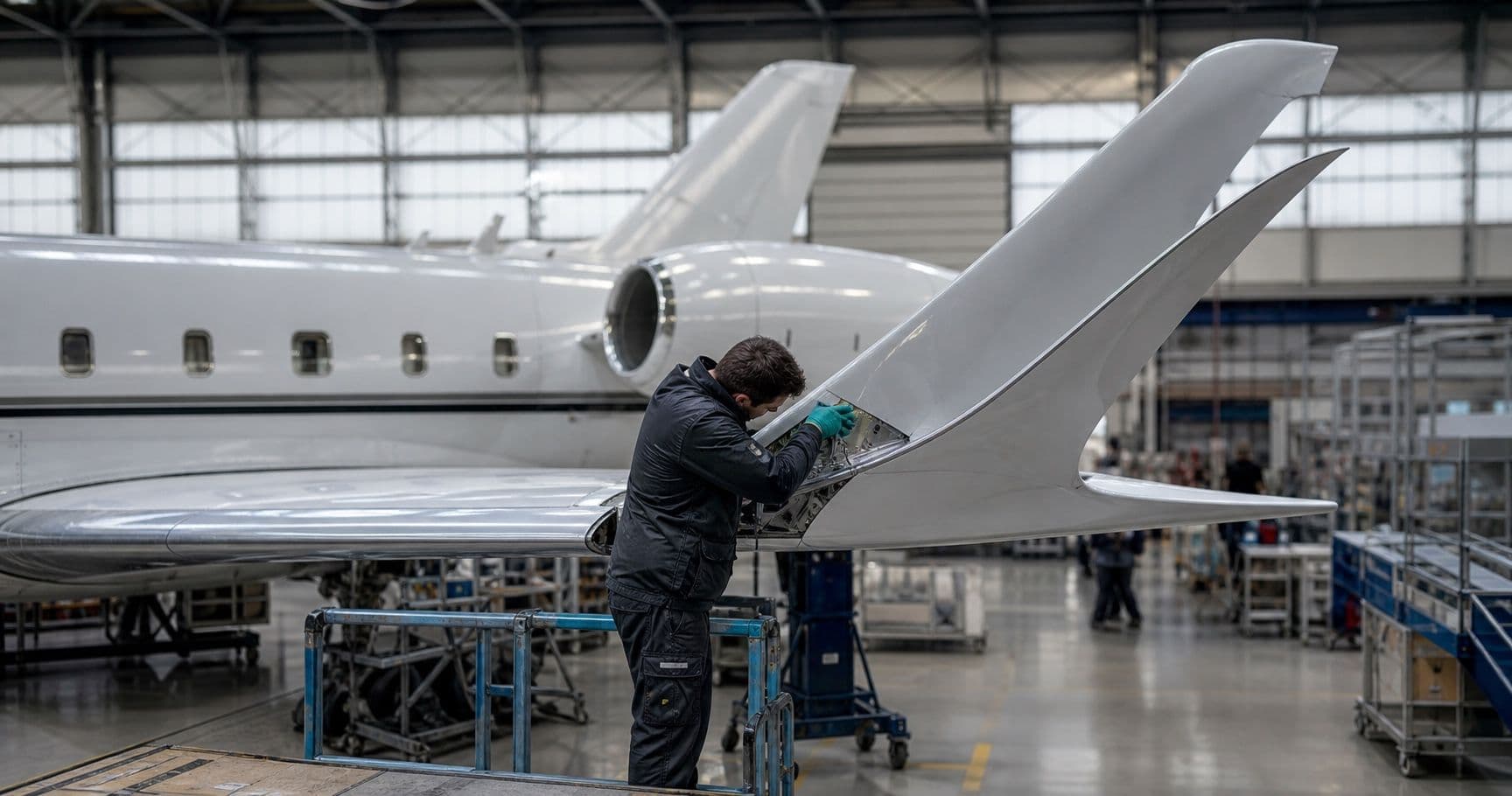
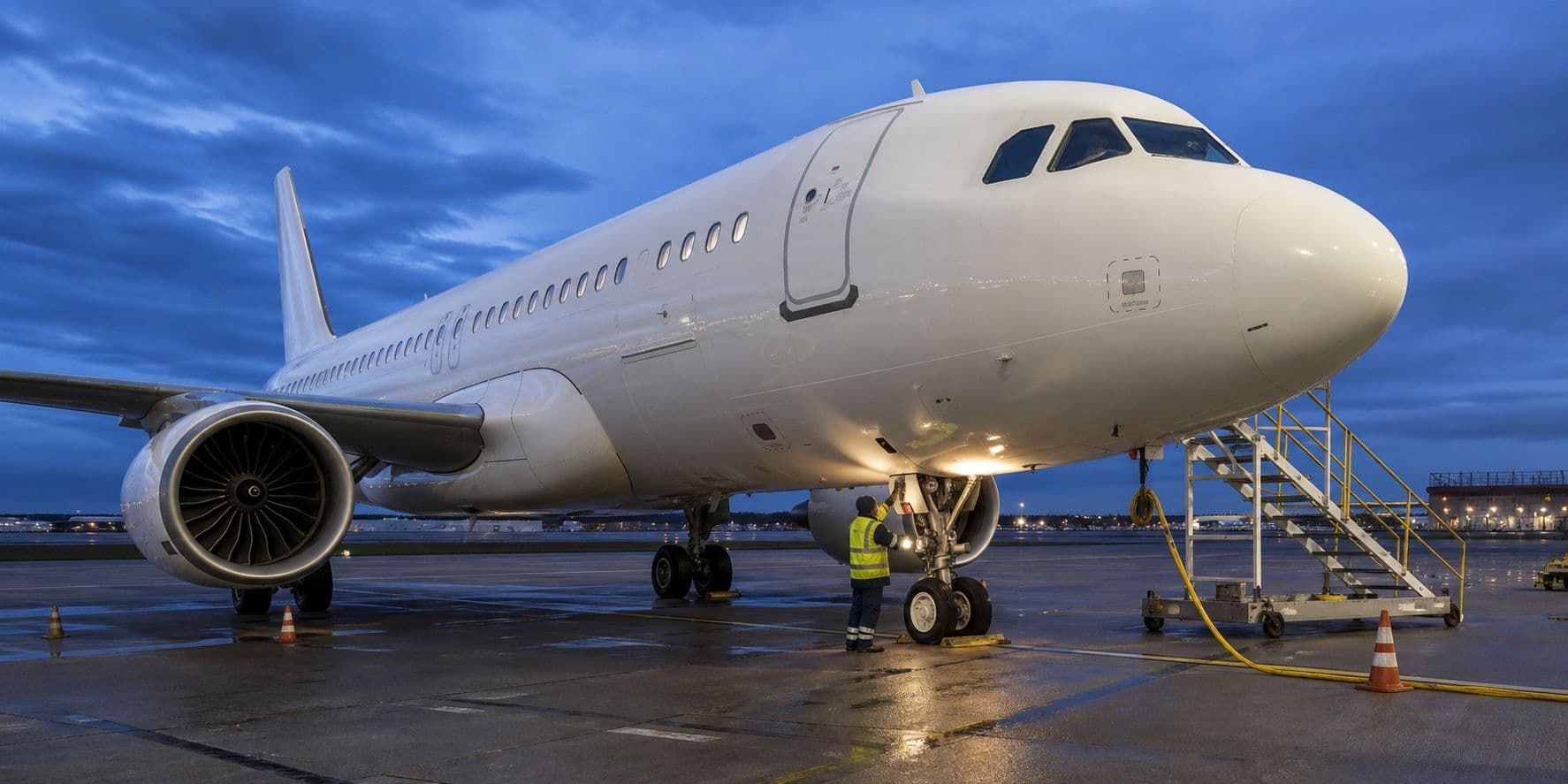
This large airline operates one of Britain’s largest fleets, connecting customers to over 32 locations across five continents, from North America and the Caribbean to Africa, Asia and the Middle East. A fleet that size has to stay in peak condition, and that depends on a steady supply of skilled aeronautical engineers.
The wider sector has been under pressure from several directions: an ageing engineering workforce, a wave of retirements, and shifting conditions that thinned the pool of available talent. As the demand to maintain and grow fleets climbed, the supply of qualified engineers could not keep pace.
The airline recognised the risk, and understood that the traditional apprenticeship route, on its own, would not meet their long-term needs or de-risk its talent pipeline. They needed a smarter, more sustainable way to build engineers.
Rather than compete for scarce qualified engineers, Vertage set out to build them: talent-scouting high-potential aeronautical engineering students at universities across the UK during their final year, then developing them through a structured 18-month journey of technical training, leadership development and real-world experience inside the airline’s engineering operations.
The approach follows a clear structure:
This skills intelligence model was built to do four things at once: 1) develop skilled engineers, 2) strengthen diversity, 3) reinforce operations, and 4) bridge the skills gap for the long term.
The result is a repeatable engine for building job-ready engineers and a talent pipeline the airline can rely on for years.
The programme has earned strong backing from the airline’s engineering leadership. It works so well that the airline's Head of Engineering nicknamed it the "Top Gun Academy", a nod to the calibre of talent coming through.
“We are thrilled with the programme's success. It has not only filled our immediate skills gap but has also laid a strong foundation for the future of our engineering team.”
-Matt Sharp, Head of Engineering
The programme has now run through four cohorts, taking 35 individuals from four different universities through the journey, with only one of 35 leaving before completion. Better still, every graduate who completed the programme has secured a permanent role in the aviation field of their choice. What began as a fix for an immediate shortage has become proof that the right model can drive new talent into an industry that badly needed it.