
6 minPublished: Jun 20, 2026
ArticleWorkforce Transformation

Why Big-Bang Workforce Transformation Fails, and How to Start Small

Big-bang workforce transformation rarely works. Here is the case for starting small, with lessons from Haleon, public sector procurement and workplace expert Bruce Daisley on shifting from roles to outcomes.

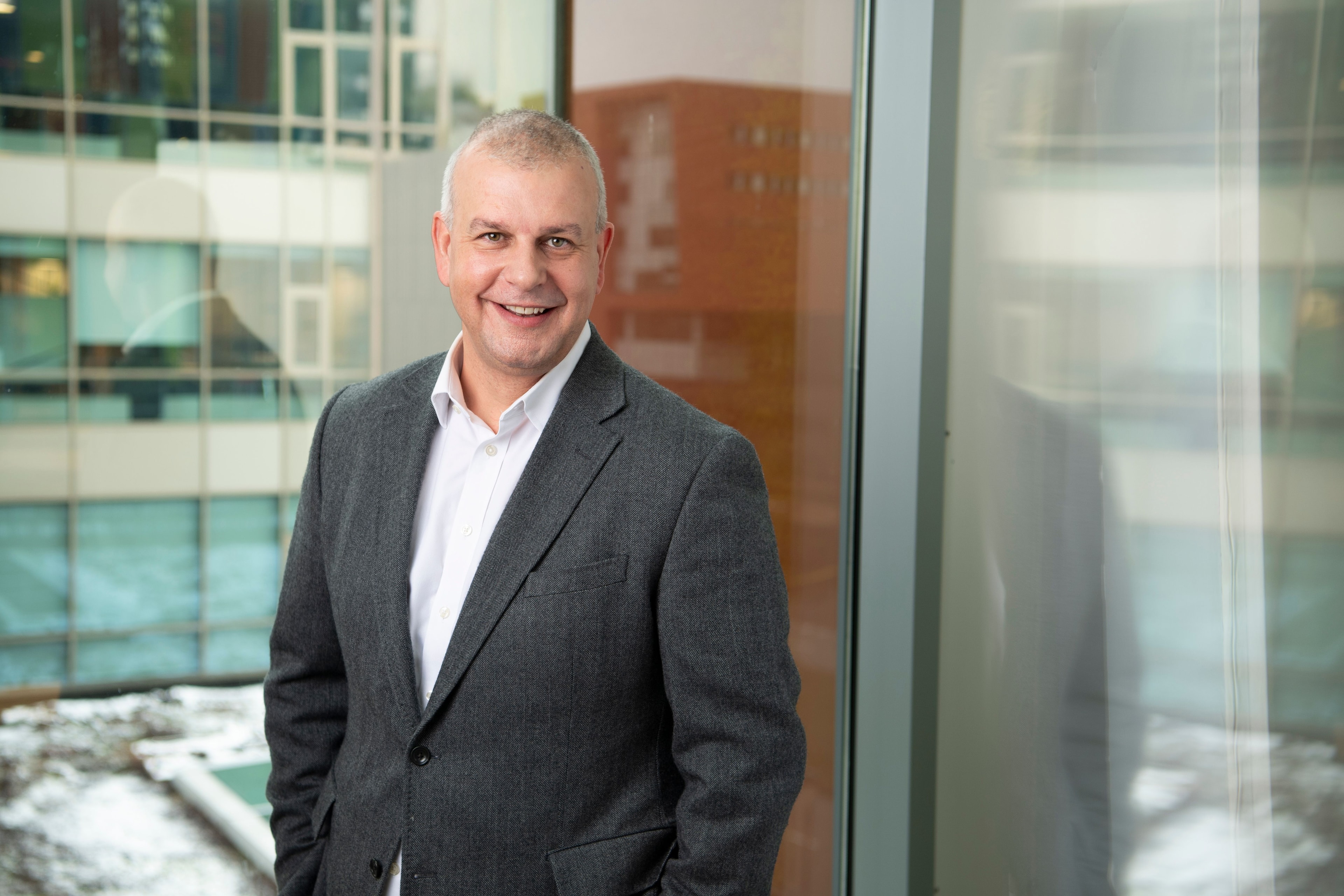
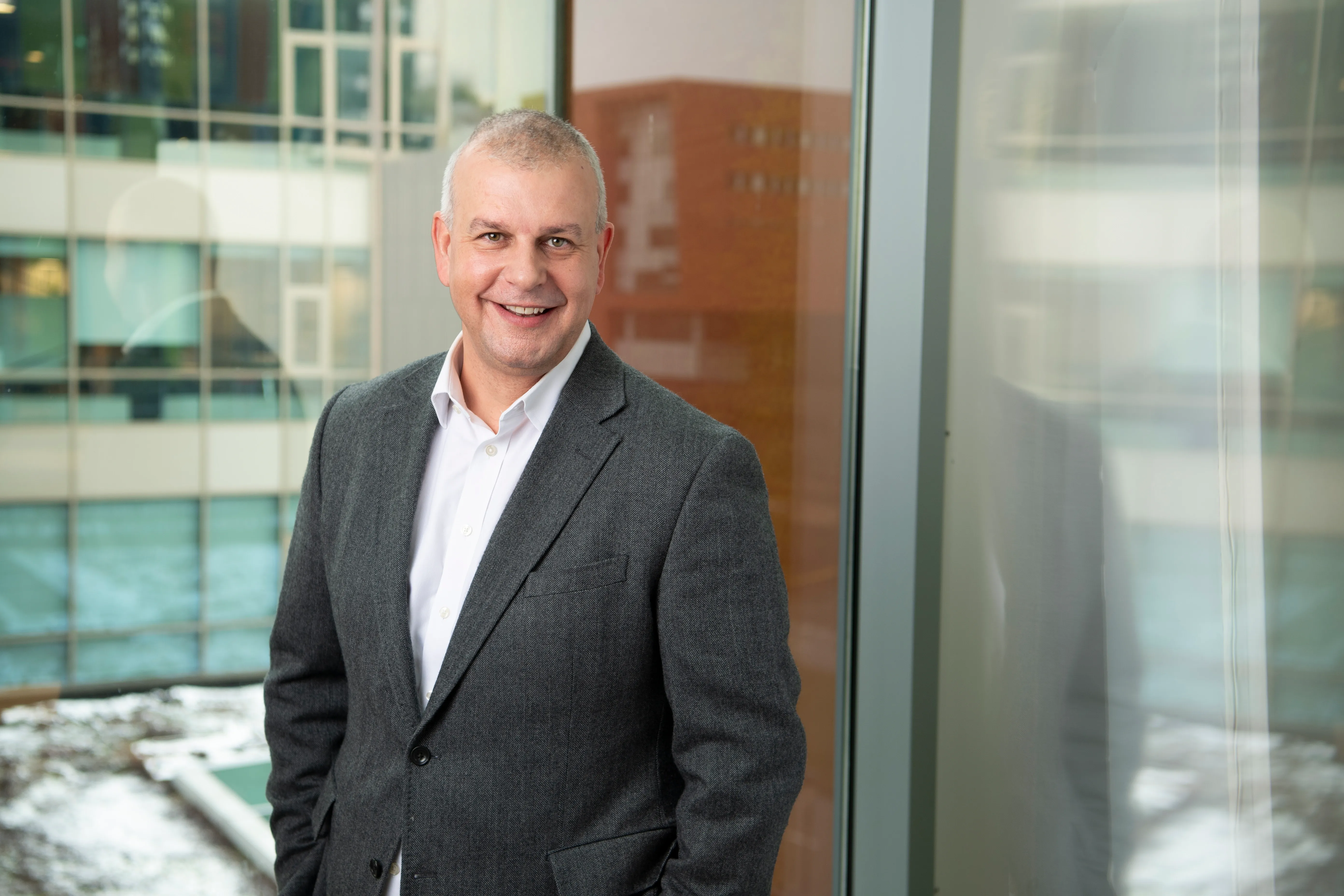
Simon Blockley

Simon Blockley

CEO, UK & Europe at Vertage

Two colleagues review plans together at a workbench in an engineering workshop

Most workforce transformation is sold as a big reveal. A new operating model. A reorganization with a launch date and a program name. The organizations actually making progress tend to work the other way. They start small, learn quickly, and let each change strengthen the next.

That was the thread through a webinar we hosted with our customers at Haleon and the North East Procurement Organisation (NEPO), alongside author and workplace expert Bruce Daisley, on how AI is prompting organizations to redesign work around outcomes rather than roles.

The takeaways below are the ones worth acting on, with a practical view of where to begin.

What workforce transformation actually means in this context

Workforce transformation we are going through right now is the shift from organizing work around fixed roles and headcount to organizing it around outcomes: the specific results a business needs to deliver. The old question is who do we have, and what are their job titles. The new one is what do we need to deliver, and what mix of expert talent, partners and AI will get us there.

Outcomes-based work follows from that. It means resourcing and buying work by the result it produces, not by the hours logged or the seat filled. Rather than adding a headcount and hoping the work follows, an organization defines the outcome, then brings together the capability to deliver it. That is what people mean by buying work through services rather than headcount: you contract for a defined result, delivered by a provider or a blended team, instead of adding permanent boxes to the org chart. Much of this plays out first in the contingent workforce, where organizations already resource work flexibly and can experiment without reshaping the whole business.

None of this is a one-time event. It is a direction of travel, and most organizations are still early on the road.

Think in movie productions, not org charts

The clearest way to picture the roles to outcomes shift is a film set. A movie brings together exactly the specialists it needs, a director, a cinematographer, an editor, a sound team, for the length of the production. When the work is done, the team moves on to the next project. Nobody keeps the whole crew on permanent staff between films.

Work is starting to move the same way. Specialists are assembled around a purpose, deliver the outcome, then regroup for what comes next. The org chart, with its fixed boxes and reporting lines, was built for a world where the same people did the same jobs indefinitely. The movie-production model is built for work that changes shape often, so the question stops being who do we have and starts being what do we need to deliver.

This is also where procurement earns a bigger seat at the table. As more work is bought as a service or an outcome rather than as headcount, how work is procured becomes a strategic decision, not an administrative one. Procurement is increasingly shaping how organizations put talent to work: which capability is brought in, through which route, and on what terms.

Watch the webinar on demand

Hear Bruce Daisley, Haleon and NEPO discuss how AI is prompting organizations to build work around outcomes.

The transformation paradox: people are ready, most organizations are not

One of the key points from the session was what is being called the transformation paradox. Workers are, on the whole, ready for a human-plus-AI way of working, however most organizations are not keeping pace with them.

The barriers are rarely about whether the technology works, instead they are structural and cultural: budgets and teams still built around roles rather than outcomes, procurement models that reward filling a requisition over solving a problem, and a caution that treats any change as a risk to be delayed rather than a capability to be built.

Because most organizations are still near the start, there is room to move deliberately, learn in the open, and build advantage that compounds.

Get match fit before change forces the pace

Bruce Daisley framed the personal side of this well: get match fit for the way work is changing. The people and organizations that build adaptability, skills and confidence before change forces their hand will be in a far stronger position than those who wait.

"Match fit" means investing in capability now, giving people the room to sharpen new skills, and treating readiness as something you develop on your own timeline rather than scramble for under pressure. For employers, it means equipping the people you already have, so expertise keeps building instead of resetting every time the work shifts.

Expert quote

It is about making sure the people you have are equipped, ready, and set up to succeed.

Simon Blockley

CEO UK and Europe at Vertage

Public and private sectors are moving differently

The webinar conversation brought two vantage points together. Haleon, represented by Kimberley Hird, sees the shift through the lens of external workforce operations in a large private business. NEPO, represented by Steven Sinclair, sees it through public sector workforce procurement.

The destination is similar, but the route differs. In the public sector, change tends to move through procurement frameworks and collaborative buying, where structure, fairness and value for money shape how work is commissioned. In the private sector, it often moves through workforce operations and supplier ecosystems, where speed and flexibility carry more weight. Knowing which levers you actually control, procurement, operations, or both, is part of knowing where your own transformation can realistically start.

Start small: where to begin in the next 90 days

The most reassuring takeaway was also the most practical. You do not need a transformation program to begin, you just need the willingness to try something different.

Start by picking a single area of work and asking three questions. Who is actually doing this work? How is it being resourced and procured? Is there a smarter route to the outcome?

In the next 90 days, that might look like:

  • Choose one team or one type of work where the current model feels strained, and map how that work is resourced today.
  • Question the default. If the reflex is to hire, ask whether the outcome could be delivered as a service, through a specialist provider, or with expert talent and AI working together.
  • Run one small experiment, measure what changes, and use what you learn to shape the next move.

Small, deliberate steps beat a single big bet. Each one teaches you something and makes the next decision sharper.

The point is not the technology

For all the focus on AI, the point of this shift is not the technology. "This is not about replacing people with technology," as Steven Sinclair put it in the session. It is about equipping the people you already have, so they are ready and set up to succeed.

Workforce transformation does not have to arrive as a big bang. It can start as one better decision about how a single piece of work gets done, then build from there.

Simon Blockley

Simon Blockley

CEO, UK & Europe at Vertage

Connect on LinkedIn

About the author

Simon Blockley leads workforce and high-impact talent solutions across the UK and Europe. His work focuses on helping organizations build the capability they need while creating meaningful opportunities for people in specialist and high-demand…