CWS Summit Europe 2026 brought together hundreds of workforce leaders for two days of honest conversation about where work is heading. We sat down with Simon Blockley, Vertage UK&I CEO, to explore why the industry has stopped debating whether things are changing, the pressure AI governance puts on decision makers and one conversation that summed it all up.
6 minPublished: Sep 14, 2026
ArticleWorkforce Strategy
The Outcomes Economy: A Q&A with Vertage UK&I CEO Simon Blockley
CWS Summit Europe 2026, the industry's flagship workforce event, left workforce leaders with one clear takeaway. The debate about whether AI is changing work is over. The question is, "How do we manage the change?"
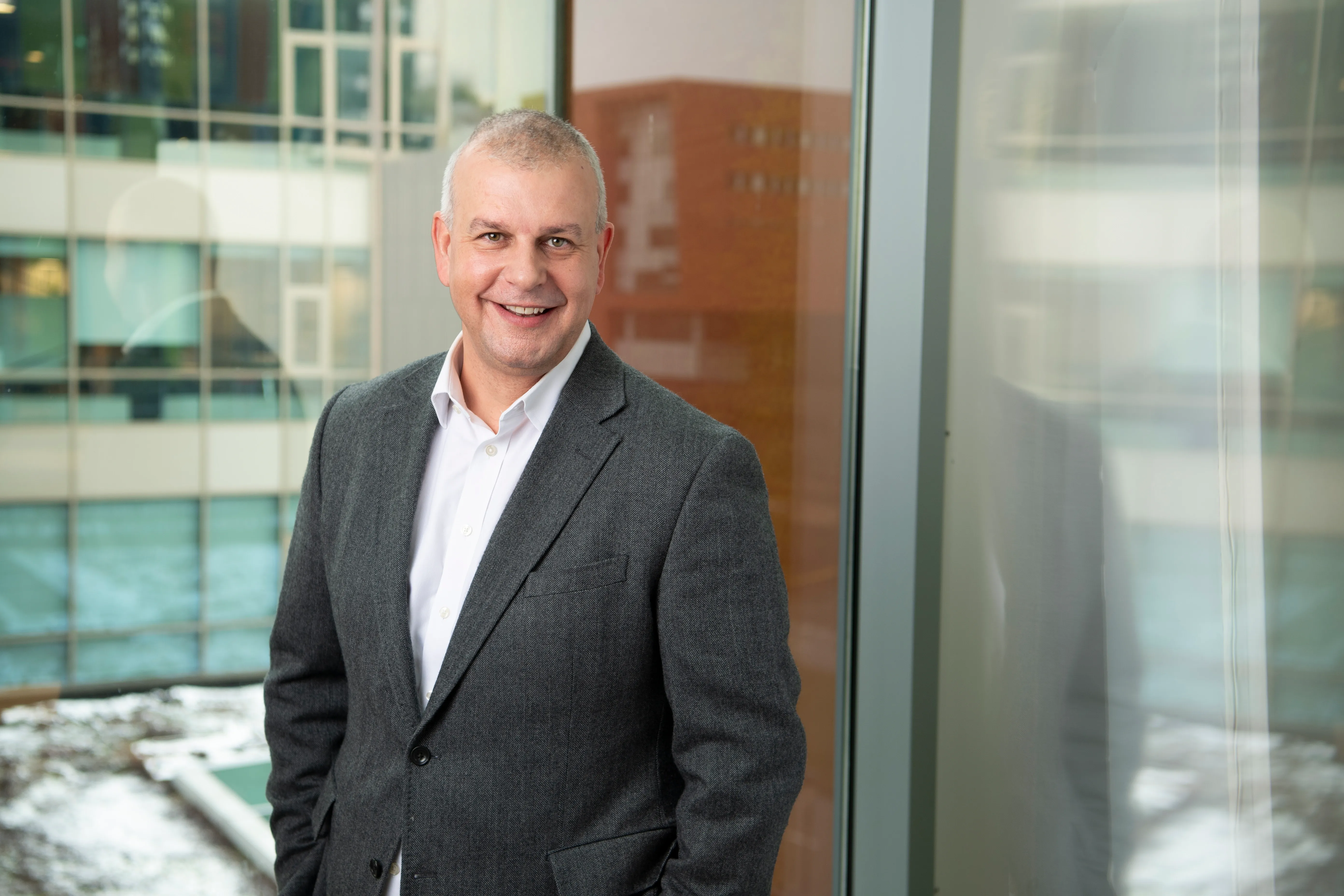
Simon Blockley
CEO, UK & Europe at Vertage

Why does an event like CWS Summit Europe still matter?
Events like this still matter because workforce strategy is best explored between people. There's no substitute for being in a room with customers who are three months into a decision and hearing how it went. That's what this event delivers.
What was the overall tone of the event?
There was a clear sense of curiosity and excitement about where the industry is heading. Clients were leaning into the macro trends we're all living through, particularly AI, agent-based models and the role humans play alongside technology.
What felt different at CWS Summit Europe 2026, was the shift from curiosity to expectation. Buyers are no longer satisfied with vision alone. They want specific answers, real, tangible examples and something they can apply to their own organizations. Most market-leading suppliers have a clear vision and strong language for the future of work but there's a growing awareness of the gap between potential and reality. Buyers don't just want to hear about moving work forward. They want to see how it's being done and the difference it can make.
You spent two days at the summit, talking to customers and peers. What's your take on where the world of work is right now?
We've been here before. The agricultural revolution, the industrial revolution, the technology shift. Each one changed what work meant, who did it and the skills that mattered. This feels similar, just faster. Employer needs and talent expectations are evolving and the cost of getting it wrong is rising. The organizations ahead right now are fundamentally rewiring how work gets done.
What were people talking about?
AI governance, mostly. The gap between how fast things are moving and how ready people are to manage it. Many leaders already have AI tools running inside their workflows, but few have a clear picture of what those tools are doing or who's responsible for them.
Every organization is at a different point in their AI journey. But the concern for responsible AI governance is genuine. Microsoft's 2026 Work Trend Index puts it in context. "Culture, governance, and management practices account for more than twice the impact of individual effort alone." The tools are running. The structures to manage them haven't caught up.
Headcount has quietly stopped being the primary metric, replaced by capability and outcomes. What needs doing, how best to do it and how you'll know it's working.
What's changed most in the conversation around AI and workforce strategy?
What's striking is that the conversation has shifted. In 2025, the headline worry was replacement. At CWS Summit Europe 2026, people were talking about recalibration. Organizations working out what the right blend looks like, how to manage it and how to stay accountable. That's a more mature question and it was the dominant one at the summit.
Today's workforces are mixed. Employees, contractors, partners and AI agents working alongside human teams, contributing to the same outcomes. Most organizations are managing this with tools built to manage suppliers, but not outcomes.
Was there a conversation that captured this?
A procurement lead from a global life sciences company summed this up. They said, 'We've got a clear vision: centralize, simplify, automate. But we're still working out what that looks like day to day. Where do we start? What do we prioritize? Who's already done this well?" They'd bought into the vision, AI taking out admin, freeing people for strategic work, but the challenge is making it real. We've spent a lot of time on figuring out what's possible. Now we need to move to what's practical.
The takeaway: they believed in the vision. What they needed was a partner to make it real and bring the business with them. That's the work now. Making a complicated future simple, in a way that works for customers.

Expert quote
It's no longer about vision. It's about making it real, in a way that works for customers.
Simon Blockley
UK & Europe at Vertage
Why MSP? And why Vertage MSP?
Simon's answer points to the real gap. Most organizations are managing a mixed workforce of people, partners and AI agents with tools built to manage suppliers, not outcomes. This gap is exactly what Vertage MSP is built to close.
A well-run MSP turns complexity into control. One view of requisitions, suppliers, rate cards and compliance. Consistent standards for every worker. Spend that stays visible and negotiable. Risk reduced by design, not bolted on after.
Vertage delivers all of that as standard. But governance alone doesn't secure talent. That's where most MSPs stop. Vertage is different: it brings people, partners, AI and agents together around outcomes, not just suppliers, so leaders see not only whether a program is compliant, but whether the work itself is landing.
Every outcome managed this way builds on the last. That's how advantage compounds and how work keeps moving forward.
About the author
Simon Blockley leads workforce and high-impact talent solutions across the UK and Europe. His work focuses on helping organizations build the capability they need while creating meaningful opportunities for people in specialist and high-demand…